
THE BOOK REPORT | Spring Cannot Be Cancelled by Martin Gayford
THE BOOK REPORT
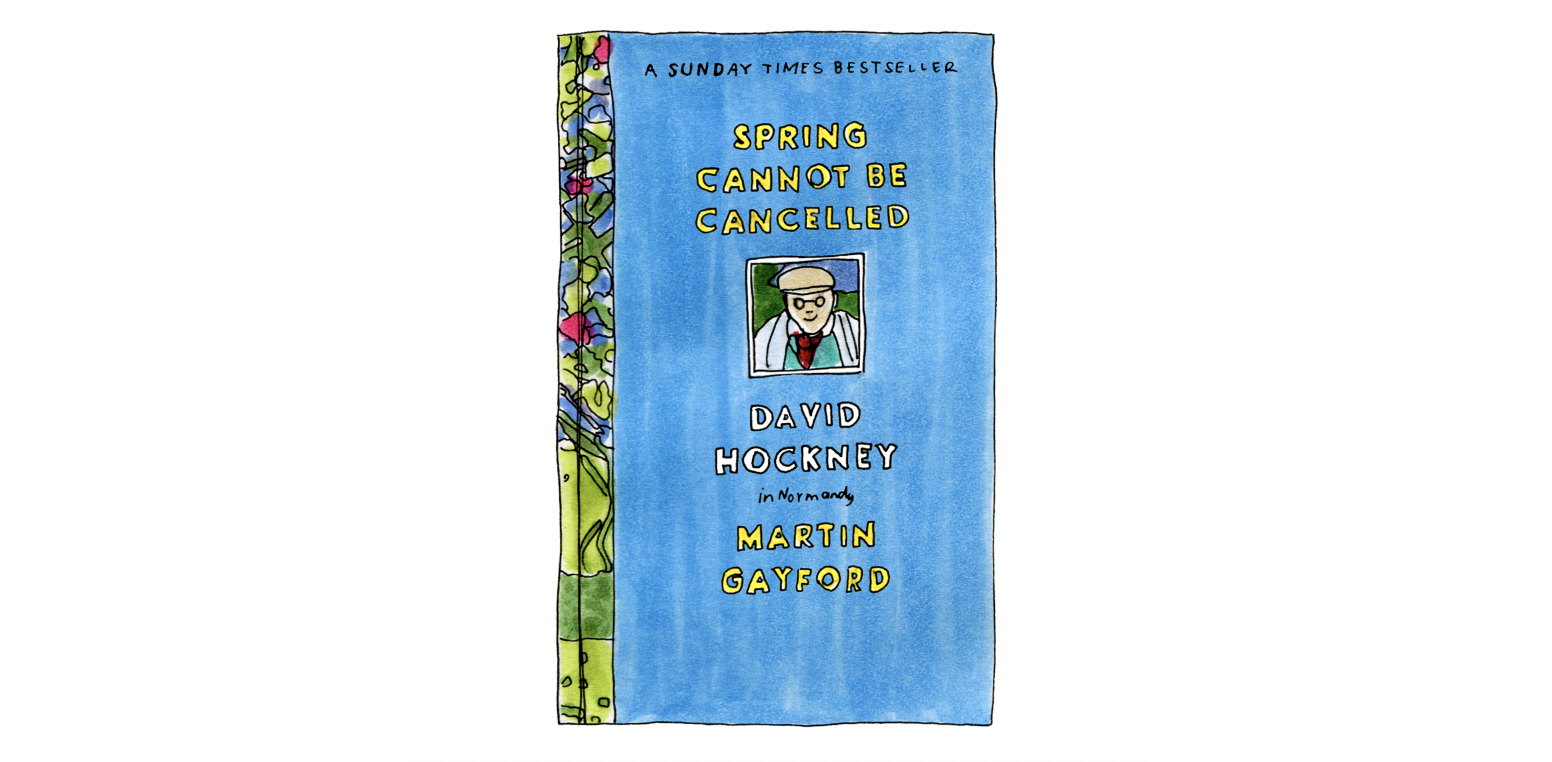
Spring Cannot Be Cancelled: David Hockney in Normandy by Martin Gayford
(Read 03.01.2026)
This is part of my Book Report series, a practice of keeping what stays with me from each book I read.
This is a book I would recommend to anyone who is driven to work hard at something they care deeply about, especially if that thing is creative. It’s not a how-to, and it’s not romantic about art, but it is deeply reassuring about what a life shaped around making can look like.
The book follows David Hockney during his years in Normandy, but it’s really about work, attention, and the conditions required to keep making. One of the most striking threads is Hockney’s fierce protection of his time. When he was younger in Paris, people constantly visited his studio, which was also where he lived. He realised those interruptions were shortening his working hours, so he left. Later, he left New York for a similar reason. He noticed that his days were disappearing into lunches, socialising, and movement rather than painting. For Hockney, that wasn’t living. It was getting in the way of the work.
Normandy, especially during Covid, offered him something rare. Long, uninterrupted days. The ability to draw all day and all night. To look at the same trees over and over again without distraction. The repetition wasn’t boring to him, it was the point. The book makes clear how content he was in that rhythm, and how essential it was to his happiness.
What I found particularly grounding was Hockney’s recognition of the same work ethic in other artists. He talks about figures like Jiro Ono, people who lived to work, whose devotion to craft stretched across decades. Seeing those parallels seemed to justify something for him, that this way of living wasn’t extreme or lonely, it was simply how some people are built. The work is what they love.
The book is also, very clearly, about noticing. Hockney talks repeatedly about looking with intensity. About how the world is very beautiful if you actually pay attention. Roads are not just grey. They might carry lilac or pink tones. Trees are never the same twice. Colour is everywhere, but only if you slow down enough to see it. This attention to colour and surface feels fundamental, not decorative. It’s part of the discipline.
Reading this was good for me personally, because it made me feel seen in my own need to notice, record, repeat, and protect time for making. But it’s also generous beyond that. It’s a book for anyone curious about what an artist’s life really looks like, not the myth of it, but the daily reality. The choices, the boundaries, the devotion, and the pleasure of sustained attention.
What stayed with me most is the idea that urgency and longevity can coexist. That working with intensity doesn’t mean burning out. It can mean committing, again and again, to what you love.